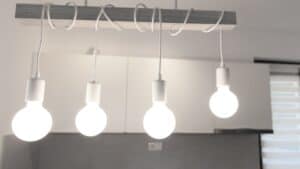
LED lights do attract some bugs, but they draw far fewer insects than traditional lighting options. The key differences come down to the light spectrum and heat that various bulbs produce.
Why Your LED Lights Attract Bugs
The following explores why modern LEDs are less attractive to insects compared to traditional bulbs, the specific environmental factors and insect behaviors involved.
Comparing LED Lights to Traditional Bulbs
LED lights attract significantly fewer bugs than older bulb types. Traditional incandescent bulbs emit lots of UV light and heat, making them insect magnets. You’ll often see swarms around these lights at night.
Fluorescent bulbs also release UV light, though they run cooler than incandescents. Mercury vapor lamps are especially attractive to bugs because of their high UV output and heat.
LEDs produce almost no UV light and stay much cooler. This makes them less appealing to most insects. However, cool white LEDs with blue tones can still attract some bugs since blue wavelengths are visible to insects.
Factors That Affect Bug Attraction
Several factors determine whether bugs will swarm your lights. Light color matters most. Warm white or yellow LEDs below 3000 Kelvin attract the fewest insects. Cool white LEDs above 5000 Kelvin attract more bugs because of their blue light content.
Heat output also plays a role. Insects seek warmth for food and shelter. Since LEDs run cool, they’re less tempting.
Where you place your lights affects bug activity too. Position lights away from doors and windows to keep insects from gathering near entryways.
Types of Bugs Attracted to Light
Different insects respond to light in various ways. Moths are strongly attracted to light, especially UV and blue wavelengths. They use natural light sources like the moon for navigation, which confuses them around artificial lights.
Flying beetles also swarm lights at night. They’re drawn to UV light and shorter wavelengths in the visible spectrum.
Mosquitoes aren’t as attracted to light as other insects. They rely more on carbon dioxide and body heat to find hosts. However, some species will still gather around bright lights.
Flies are moderately attracted to light, particularly blue and UV wavelengths.
How Light Spectrum and Color Impact Bug Attraction
The color and spectrum of your LED lights play a huge role in whether bugs show up at your door. Different wavelengths attract insects in very different ways, and choosing the right option can dramatically reduce unwanted visitors.
Cool White Versus Warm White LEDs
Cool white LEDs emit more blue wavelengths, which makes them far more attractive to bugs than their warmer counterparts. These bulbs typically measure around 5000K or higher on the color temperature scale.
Warm white LEDs, rated at 3000K or lower, produce a yellowish glow with fewer blue wavelengths. Your best choice is a warm white LED around 2700K, which keeps most insects away while still providing good visibility.
Understanding UV and Blue Light
Insects see UV light (300-400nm) and blue light much better than humans do. They use these wavelengths to find flowers and navigate at night.
Most LED lights produce very little UV light compared to old incandescent bulbs. However, the blue light in cool white LEDs still attracts bugs because it falls within their visible range.
Other Colors and Their Effects
Yellow and amber LED strip lights work best for bug-free spaces. These colors operate around 590 nanometers, which most flying insects can’t see well. Red lights also repel bugs effectively since insects have poor sensitivity to longer wavelengths.
LED Lighting and Spiders
LED lights don’t directly attract spiders, but they can create conditions that bring spiders closer to your home through their effect on insects.
Do LED Lights Attract Spiders?
Spiders aren’t drawn to LED lights themselves. They don’t have a natural attraction to light sources like some insects do. Instead, spiders hunt for food, and they go wherever their prey is most abundant.
LED lights emit specific wavelengths that can attract insects, especially if they produce blue or white light. Since spiders feed on these insects, you’ll often find them near LED fixtures where bugs gather. The spiders are simply following their food source.
Indirect Effects: Bugs and Spider Presence
Your LED lights create a feeding ground that spiders take advantage of. When insects gather around your lights at night, spiders set up webs nearby to catch them. This explains why you might see more spiders around outdoor LED fixtures or indoor lights near windows.
The color of your LED bulbs matters. Cool white and blue LEDs attract more insects than warm yellow lights. If you want fewer spiders around your lights, switch to warm-colored LED bulbs above 550 nanometers. These produce light that’s less visible to insects, which means fewer bugs and fewer spiders hunting them.
Minimizing Bug Attraction with LEDs
You can reduce bugs around your home by choosing the right LED lights and placing them strategically. The key is picking warmer colors and using smart positioning to keep insects away from your living spaces.
Best Practices for Outdoor LED Placement
Where you put your lights matters just as much as what type you choose. Position your outdoor LEDs away from doors and windows to draw bugs elsewhere. This keeps insects from gathering near entry points where they might slip inside.
Install motion-sensor lights instead of keeping LEDs on all night. This limits the time bugs have to find and swarm around your fixtures. You can also place lights lower to the ground or use downward-facing fixtures, which are less visible to flying insects from a distance.
Choosing Bug-Resistant LED Options
Warm white LEDs with color temperatures between 2700K and 3000K attract fewer bugs than cooler options. These emit more yellow and red light that insects can’t see well. LED strip lights in amber tones work even better for patios and outdoor entertaining areas.
Avoid blue and white LEDs above 4000K, which contain more wavelengths that bugs love. Look for specialized “bug light” LEDs designed specifically to repel insects.
Using Light Intensity and Timing
Dimmer lights attract fewer bugs than bright ones. Use the lowest brightness that still meets your needs for safety and visibility.
Set timers to turn off outdoor LEDs during peak insect activity hours, typically between dusk and midnight.
Find Your Professional Lighting Partner
If you are ready to upgrade your home or business with lighting that doesn’t invite unwanted guests, MF Opto is here to support you. With over 15 years of excellence in the lighting industry, we specialize in providing you with high-quality, innovative solutions designed for ultimate reliability and performance.
Whether you need rechargeable headlamps for your next outdoor adventure or solar security lights that keep your perimeter safe without attracting swarms, our extensive catalog of over 2,000 models has you covered. As your trusted B2B partner, we also offer comprehensive OEM and development services.
How You Can Get in Touch with Our Experts:
- Explore Your Options: Visit our official website to browse our premier collections and download our latest product catalogue.
- Request Your Free Quote: Are you ready to start a project? Contact us directly for personalized guidance and a free quote on our top 10 bestsellers.
- Global Support You Can Trust: You will be joining a network of more than 1,104 companies across 35 countries that trust us for on-time delivery, an 8-hour response time, and a consistent 12-month warranty on all orders.
Frequently Asked Questions
Are there certain colors of LED lights that are less appealing to bugs?
Yellow, orange, and red LED lights are your best options for keeping bugs away. These warmer colors don’t attract insects nearly as much as cooler tones.
Blue and white LEDs tend to draw more bugs because insects are naturally attracted to shorter wavelengths. If you want fewer flying visitors, stick with warm white LEDs rated below 3000 Kelvin.
How does the brightness of LED lights impact insect attraction?
Brighter lights can attract more bugs simply because they’re easier to spot from a distance. The intensity makes the light source more noticeable to insects flying around at night.
That said, the color and wavelength matter more than brightness alone. A dim blue light might still attract more bugs than a bright yellow one.
Can switching to LED lights reduce the number of bugs in my house?
Yes, switching from old incandescent or fluorescent bulbs to LEDs typically reduces bug attraction. LEDs emit very little UV light, which is what draws many insects to traditional bulbs.
You’ll notice fewer bugs swarming around your lights, especially if you choose warm-colored LEDs.
Is there a difference in bug attraction between indoor and outdoor LED lighting?
Indoor LED lights usually attract fewer bugs because your windows and screens create a barrier. Outdoor lights face more direct exposure to flying insects.
The placement matters too. Outdoor lights near doors and windows will draw bugs closer to entry points into your home.
What are some effective strategies to minimize bug attraction when using LED lights?
Place your outdoor lights away from doors and windows to keep bugs from gathering near entryways. Motion-activated lights work great because they limit how long the light stays on.
Choose warm white or yellow LEDs instead of cool white ones. Keep your window screens in good condition to stop any attracted insects from getting inside.
Do LED lights emit a spectrum that is more or less attractive to insects compared to other light sources?
LEDs are less attractive to insects than most other light sources. They produce almost no UV light, which is the main wavelength that draws bugs to traditional bulbs.
Incandescent and fluorescent lights emit significant UV radiation and heat to make them bug magnets. LEDs stay cooler and stick to the visible light spectrum.