An emergency radio is a compact device designed to keep people informed during critical situations like natural disasters or power outages. It allows them to receive important news, weather updates, and emergency alerts when other communication methods might fail.
The key function of an emergency radio is to provide reliable access to essential information even when conventional channels are down. These radios often include features like multiple band frequencies and backup power sources, such as solar panels or hand cranks.
What Qualifies as an Emergency Radio
An emergency radio is a portable radio receiver built to function reliably during power outages or disasters. It must operate independently of traditional electrical power, often using alternative sources like batteries, solar power, or a hand crank.
It typically supports reception of multiple bands beyond basic AM/FM, including NOAA weather alerts and emergency frequencies.
This wide coverage allows users to receive real-time updates about weather, disasters, or other urgent situations.
Durability and ease of use under stress are also key qualities that define such radios.
Primary Functions
Emergency radios serve as lifelines in situations where standard communication fails. Their core function is to deliver continuous access to emergency broadcasts for weather updates, evacuation instructions, and safety alerts.
Besides receiving information, many emergency radios allow two-way communication in some models, which helps people coordinate during rescue or team efforts.
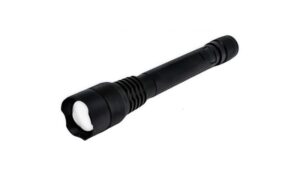
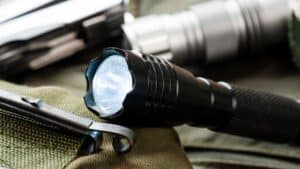
These radios also often feature flashlights or sirens to assist in both communication and signaling for help.
Key Features of Emergency Radios
Key features include multiple power options like solar panels, hand cranks, and rechargeable or replaceable batteries.
This redundancy ensures the radio remains operational over extended outages.
Another feature is the ability to receive NOAA weather alerts and other emergency broadcasts.
Clear reception across multiple frequency bands improves reliability.
Additional features often present are USB charging ports, built-in flashlights, and compact, lightweight designs for portability.
These elements enhance usability in a wide variety of emergency scenarios.
Types of Emergency Radios
Emergency radios come in several varieties, each designed with specific power sources and features.
Hand Crank Radios
Hand crank radios generate power manually using a built-in crank handle. This design ensures a continuous power source without relying on batteries or sunlight.
Users simply turn the crank to recharge the radio’s internal battery.
Many models include additional features, such as LED flashlights and USB ports for charging small devices.
The ability to stay powered regardless of external conditions is a major advantage.
However, since generating power requires physical effort, it may not be practical for long-term or continuous use.
Solar-Powered Radios
Solar-powered radios recharge their internal batteries through exposed solar panels.
They offer a renewable power source that can sustain the radio during daylight hours without manual input.
These radios often combine solar power with battery or hand crank backup to address low sunlight situations.
Solar radios are especially useful in sunny climates or outdoor settings because they convert free energy into a continuous power supply.
One limitation is that charging depends on weather conditions and the intensity of sunlight.
For this reason, it’s common to see models including multiple power sources including solar, hand crank, and batteries.
Battery-Operated Radios
Battery-operated emergency radios use replaceable or rechargeable batteries as their primary power source.
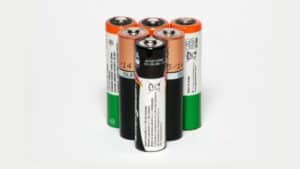
This type offers convenience and compatibility with widely available battery types like AA or AAA.
Users can quickly swap batteries during a crisis or recharge the internal batteries ahead of time.
Battery-operated models tend to be compact and easy to carry, making them practical for everyday preparedness kits.
The main drawback is the eventual depletion of batteries if replacements aren’t available.
Multiband Radios
Multiband radios can receive signals across several frequency bands, such as AM, FM, weather bands, and sometimes shortwave.
This increases the range of emergency information and alerts accessible to the user.
By including NOAA weather channels and emergency alert broadcasts, multiband radios enhance situational awareness during disasters.
They can pick up local news, weather updates, and government warnings across different channels in one device.
Many multiband models also integrate various power options, boosting their versatility in diverse emergency scenarios.
How Emergency Radios Work
Emergency radios rely on unique design features to make sure they function during power outages and can receive vital information.
They use diverse power sources to remain operational, tune into specialized frequencies for signal reception, and incorporate technology to alert users to critical weather events.
Power Sources
Emergency radios typically use several power options to guarantee reliability in emergencies.
Many include hand cranks, allowing users to generate power manually without batteries or electricity.
This feature is especially useful during extended outages or outdoor situations.
In addition to crank power, emergency radios often use solar panels, providing renewable energy when sunlight is available.
Some models support replaceable or rechargeable batteries as backup power sources.
These multiple power sources reduce dependence on any single energy type.
Signal Reception
Emergency radios can receive signals across multiple frequency bands beyond standard FM and AM.
They often include weather bands like NOAA (National Oceanic and Atmospheric Administration) frequencies, which broadcast essential weather alerts.
Many radios scan and lock onto emergency broadcasts automatically.
This capability means users don’t need to know specific frequencies in advance.
Radios may also support shortwave bands to pick up international or distant signals.
Advanced models feature digital tuning to improve signal clarity and reduce interference.
Weather Alert Capabilities
Emergency radios are commonly equipped with dedicated weather alert functions.
They monitor NOAA Weather Radio broadcasts, which provide real-time updates on approaching storms, floods, or other hazardous conditions.
When a severe weather alert is issued, the radio activates an alert tone that wakes up the user even if the radio was off or muted.
This function ensures timely warnings so people can take action quickly.
Some radios allow users to select specific types of alerts or geographic areas.
This customization helps reduce false alarms and focuses attention on relevant threats.
Choosing the Right Emergency Radio
The right radio balances power options, durability, and ease of use to meet specific preparedness needs.
Features to Consider
A good emergency radio must receive multiple bands such as AM, FM, and NOAA weather alerts for wide coverage of local and emergency broadcasts.
Shortwave capability can be a bonus for accessing distant signals if local stations are down.
Power sources are critical.
Radios typically use combinations of solar panels, hand cranks, and rechargeable batteries.
A model with multiple power options offers flexibility during extended outages.
Charging capabilities matter too.
Some radios provide USB ports to charge phones or devices enough for emergency calls.
While not a full charger, this feature adds real value in a pinch.
Durability and Portability
Durability ensures the radio survives harsh conditions.
Radios with water-resistant or rugged cases stand up better to rain, dust, and drops.
Portability makes it easy to carry or store.
Handheld radios are lightweight and simple to grab during evacuations.
Larger stationary radios offer better reception but lack portability.
Considering where and how a radio will be used helps decide if a compact model or a more robust one fits the situation best.
Ease of Use
In emergencies, simplicity is key.
Radios with clear, intuitive controls avoid confusion when time is critical.
Features like backlit displays, large buttons, and straightforward tuning help users operate the radio even in low-light conditions or under stress.
Automatic scanning and preset stations reduce the effort needed to find alerts quickly.
A radio that starts working right out of the box is preferable, especially for users unfamiliar with complicated tech.
Why Emergency Radios Are Crucial
Emergency radios keep users informed with weather alerts, help maintain connections when other technology fails, and provide a direct link to safety services.
Natural Disasters
During hurricanes, tornadoes, or earthquakes, emergency radios become vital tools.
They receive real-time weather warnings and updates from government agencies, which can alert users to approaching dangers well before other devices. These radios often operate independently of electrical power, using batteries or hand cranks, so they keep working even when power grids fail.
This reliability can provide essential information about evacuation routes, shelter locations, and rescue operations when cell networks become overloaded or unusable.
Outdoor Adventures
Hikers, campers, and outdoor enthusiasts rely on emergency radios to stay connected in remote areas.
Where mobile signals are weak or nonexistent, an emergency radio can receive weather forecasts and emergency broadcasts to help avoid dangerous situations like sudden storms. Two-way emergency radios allow communication between group members and rescue teams.
This direct line can be crucial for coordinating help or giving updates during emergencies, supporting safer outdoor experiences.
Power Outages
In extended power outages, emergency radios become a primary source of news and updates. Without electricity, users can still access emergency alerts, weather information, and instructions for staying safe.
These radios often feature multiple power options—solar, crank, or battery—that keep them functional when other devices are dead.
Why Choose M&F Optoelectronics Emergency Radios?
M&F Optoelectronics offers emergency radios designed with reliability and visibility in mind. Our emergency radios focus on clear communication and safety, especially useful in road safety, emergency services, and industrial environments. These radios feature high-visibility LED warning solutions that help users stay alert in critical situations.
Key features include:
- Dual Lighting & SOS: A bright LED flashlight and two COB reading lamps illuminate your surroundings, while a built-in SOS alarm and motion sensor enhance safety.
- Motion Sensor Functionality: Automatically detects movement, providing light when needed and conserving battery life.
- Durable & Weather-Resistant: Constructed from robust ABS material with an IPX44 waterproof rating, built to withstand harsh environments.
M&F Optoelectronics emergency radios are ideal for users who want dependable tools to maintain safety during emergencies. We offer a blend of technology and practical design that fits professional and personal needs alike.
We also offer OEM and customization services to meet your specific needs. Discover more about our emergence redios and how we can be your trusted supply partner by contacting us.